The Grain That Built Civilisations: The Extraordinary Journey Of Rice |
Long before it became the world’s favourite comfort food, rice travelled continents through migration, trade, conquest and faith — shaping cultures, kingdoms and everyday life along the way. Garritt C Van Dyk writes. |
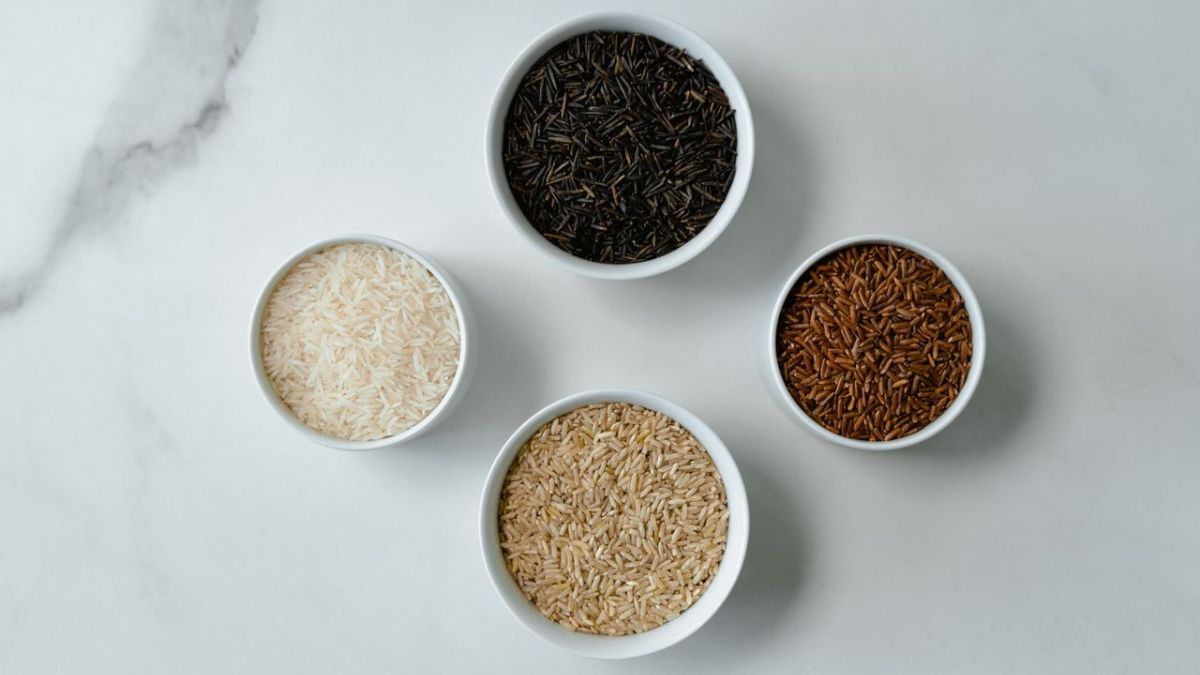
RICE is the most popular food in the world, providing sustenance to more than 3.5 billion people each day. It is deeply embedded in food, daily rituals, language and spirituality. It is easy to take it for granted. But where did rice come from? And how did it spread to become the foundation of global food security? EARLY ORIGINS IN CHINA AND INDIA In the lower reaches of the Yangtze River, China, Oryza sativa rice grew 100,000 years ago. It was first gathered by humans 24,000 years ago, and cultivated 13,000 years ago. Changes to the plant through selective breeding resulted in a domesticated plant distinct from the wild variety about 11,000 years ago. There is debate about how early forms of domesticated rice developed outside of China, but there is evidence of parallel rice cultivation in India along the Ganges in Uttar Pradesh as early as 6500 BCE. ALSO READ | Rice-ing To The Rescue: Assam’s Annapurna Seed Library Is Making Gains With Grain One possibility is that the two most common subspecies of rice, short-grained ( japonica) and long-grained (indica), developed separately: the former in China and the latter in India. A related theory is that indica is a hybrid between a local Indian rice and japonica, introduced to India around 2500 BCE. AFRICAN RICE: THE OTHER ORIGIN STORY Another rice species, Oryza glaberrima, developed in Africa some 2,000 years after rice was domesticated by farmers in Asia. African rice is lower yielding than Asian rice species, but is drought- and pest-resistant. It tolerates severe climatic extremes, parasites and viruses, and will flourish in poor soil without irrigation or weeding. |
But both historically and today, African rice is more prone to “shattering”, losing its seeds before being harvested, rather than clinging to the plant. This trait was successfully bred out of Asian rices over a long period to ensure maximum crop yields. MIGRATION, WARS, TRADE AND SLAVERY The migration of prehistoric farmers spread rice across Southeast Asia. Archaeological evidence from 4,000 years ago suggests farming techniques were introduced to Southeast Asia – including modern-day areas of Vietnam, Cambodia, Myanmar and Thailand – by distant migrants from South China, rather than being learned from neighbours or through experimentation. There is a possibility the same scenario was replayed in numerous regions across Eurasia as rice spread across the globe. The movement of armies also brought rice to new parts of the world. Naturalists who accompanied Alexander the Great’s campaigns in India brought rice home with them to Ancient Greece and Macedonia around 320 BC. Invading Moors from North Africa (present-day Morocco and Algeria) in the eighth century brought rice to the Iberian Peninsula. Crusaders returning from wars in the Middle East brought back small quantities of rice to Europe in the 11th century. From the second century, overland trade along the Silk Road and maritime trade from the Indian Ocean to the Mediterranean brought rice to Central Asia and Europe. Rice was not cheap to ship, so as an import it would have been a luxury – like exotic spices – rather than a staple commodity. |
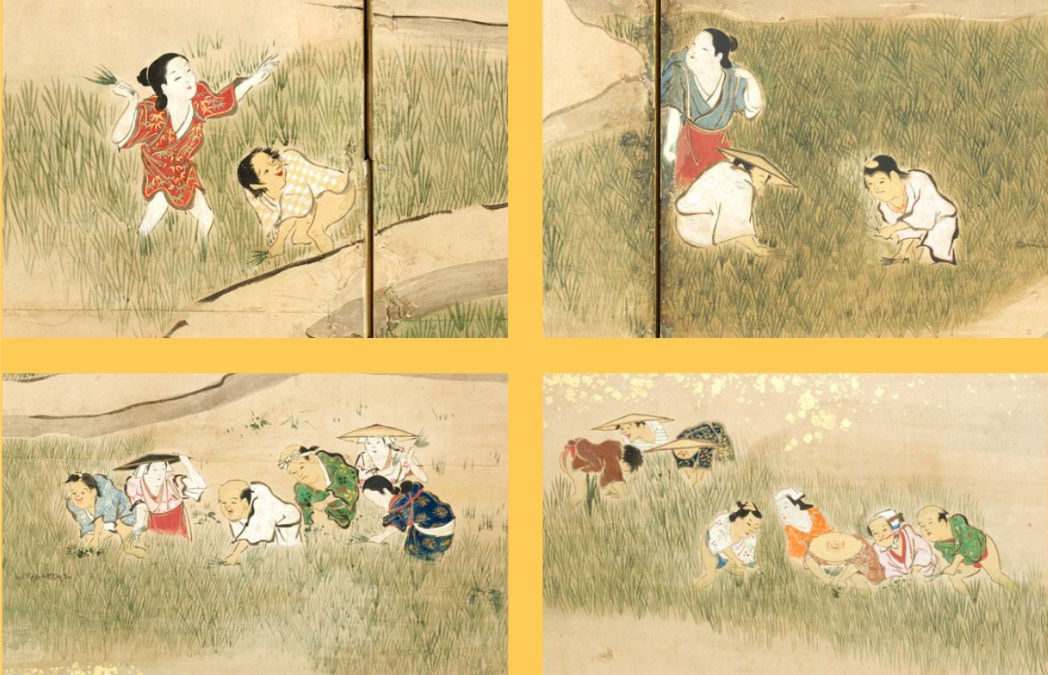
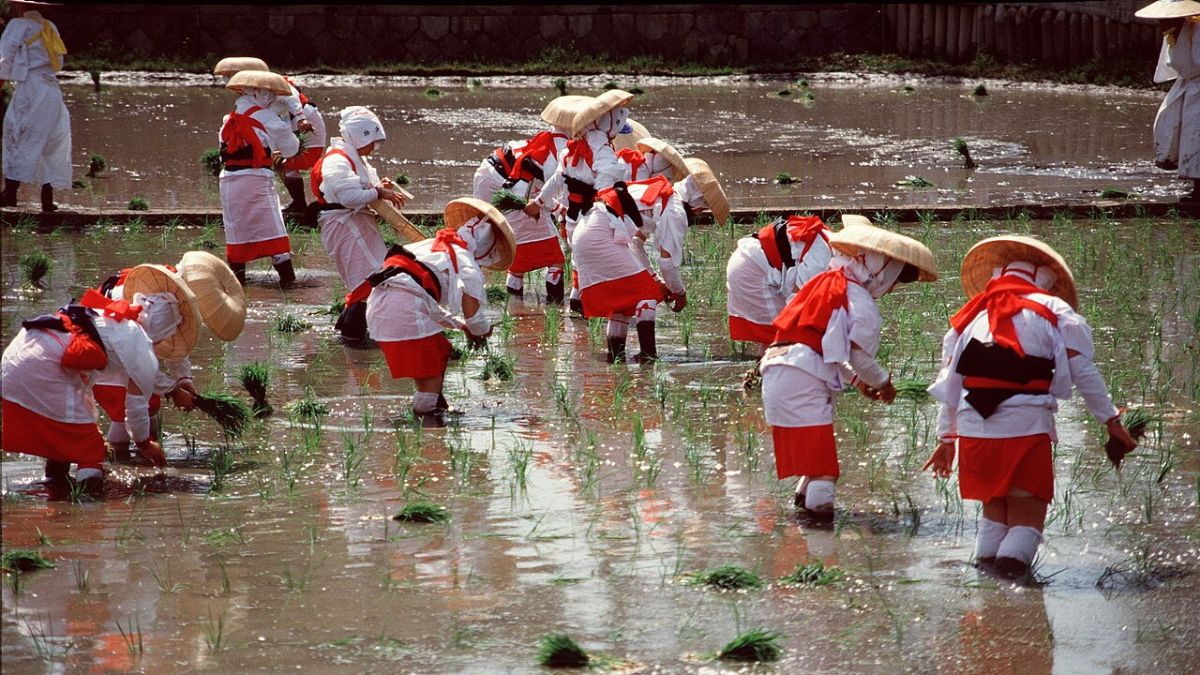
Colonisation and the transatlantic slave trade brought rice to the Americas from the 16th century. Spanish colonists brought Asian rice to Central and South America, while the transatlantic slave trade brought African rice species to North America. Enslaved Africans from the Rice Coast countries of West Africa introduced techniques for irrigation and tilling the soil using hoes, so the crop could be grown in the North American climate. Devastatingly, the African expertise led to an increase in the slave trade, because improved rice production made it easier to feed a growing population of enslaved Africans. RICE AS RITUAL The importance of rice in many cultures is embedded in daily life, cultural practices, rites and rituals. In Thailand, the centrality of rice is reflected in language: kin khao , meaning “let’s eat”, literally translates to “eat rice”. Annual royal ceremonies in Cambodia, Myanmar, Thailand and Japan mark the beginning of rice growing season in the first half of May. Every year, the King and Queen of Thailand preside over the Buddhist Royal Cultivation Ceremony and the Brahmin Royal Ploughing Ceremony, combining prayers and offerings to ensure successful harvests. |
WATCH | How A Tamil Nadu Farm Initiative Is Championing Heritage Rice In Japan, symbolic rice planting by the Emperor is followed in June by an elaborate Shinto ritual, Mibu no Hana Taue. This celebrates the rice deity with a pageant of decorated cows, traditional festive dress, songs and music. Rice is also central to Hindu rituals, from birth to death. A baby’s first solid food is sweet rice, marking the annaprashana rite of passage. Rice is an offering and a blessing at weddings, and serves as an offering for the journey into the afterlife. THE FUTURE OF RICE Traditional rice growing is water-intensive. Methane emissions from growing rice make it the third highest contributor to global food-related agricultural emissions. |
New techniques are being developed to mitigate the environmental impact of rice cultivation while maintaining production levels to meet growing demand. The secret may lie in the past, as researchers investigate ancient rice DNA in an attempt to produce the next hybrid that will once again change how rice feeds the world. Garritt C Van Dyk is a Senior Lecturer in History at the University of Waikato. This article originally appeared on The Conversation and has been republished here under a Creative Commons licence. |
Hey there, foodie! Want to get in touch? Just drop in on our Insta page and say hi! Forward this newsletter to someone who’d love bite-sized tidbits on all things food, or share using the buttons below ⬇️ Got this email from a friend? Sign up! |
|
|
For the chicken:
1 whole chicken (1.4–1.8 kg)
2 litres water
4 spring onions
8 slices fresh ginger
6 garlic cloves, lightly crushed
2 tsp salt
For the rice:
2 cups jasmine rice
2 tbsp chicken fat (or vegetable oil)
5 garlic cloves, minced
1-inch ginger, grated
2½ cups reserved chicken stock
Salt to taste
For the ginger-scallion sauce:
4 spring onions, finely chopped
2-inch ginger, grated
3 tbsp neutral oil
Salt
For the chilli sauce:
4 red chillies
2 garlic cloves
1-inch ginger
Juice of 1 lime
2 tbsp chicken stock
1 tsp sugar
Salt
To serve:
Sliced cucumber
Fresh coriander
Dark soy sauce
Sesame oil (optional) |
Bring a large pot of water to a gentle boil with the ginger, garlic, spring onions and salt.
Lower the whole chicken into the pot, breast-side down. Once the water returns to a simmer, reduce the heat to low. Cook gently for about 40–45 minutes, depending on the size of the bird.
The chicken should be just cooked, with clear juices running from the thickest part of the thigh.
Transfer the cooked chicken immediately into a bowl of ice water for 10 minutes. This stops the cooking process and helps keep the skin smooth and springy.
Remove and allow to drain thoroughly. Brush lightly with sesame oil if desired for extra sheen.
Wash the jasmine rice until the water runs almost clear.
Heat the chicken fat in a saucepan. Add the garlic and ginger and cook until fragrant but not browned.
Stir in the drained rice and coat every grain with the aromatic fat.
Pour in the reserved chicken stock, season lightly with salt, and cook in a rice cooker or on the stovetop until fluffy.
Allow the rice to rest for 10 minutes before fluffing.
For the ginger-scallion sauce, heat the oil until hot but not smoking. Pour it over the chopped spring onions and grated ginger. Season with salt and stir well.
For the chilli sauce, blend together red chillies, garlic, ginger, lime juice, sugar, chicken stock and salt. Adjust the balance of heat, acidity and sweetness to taste.
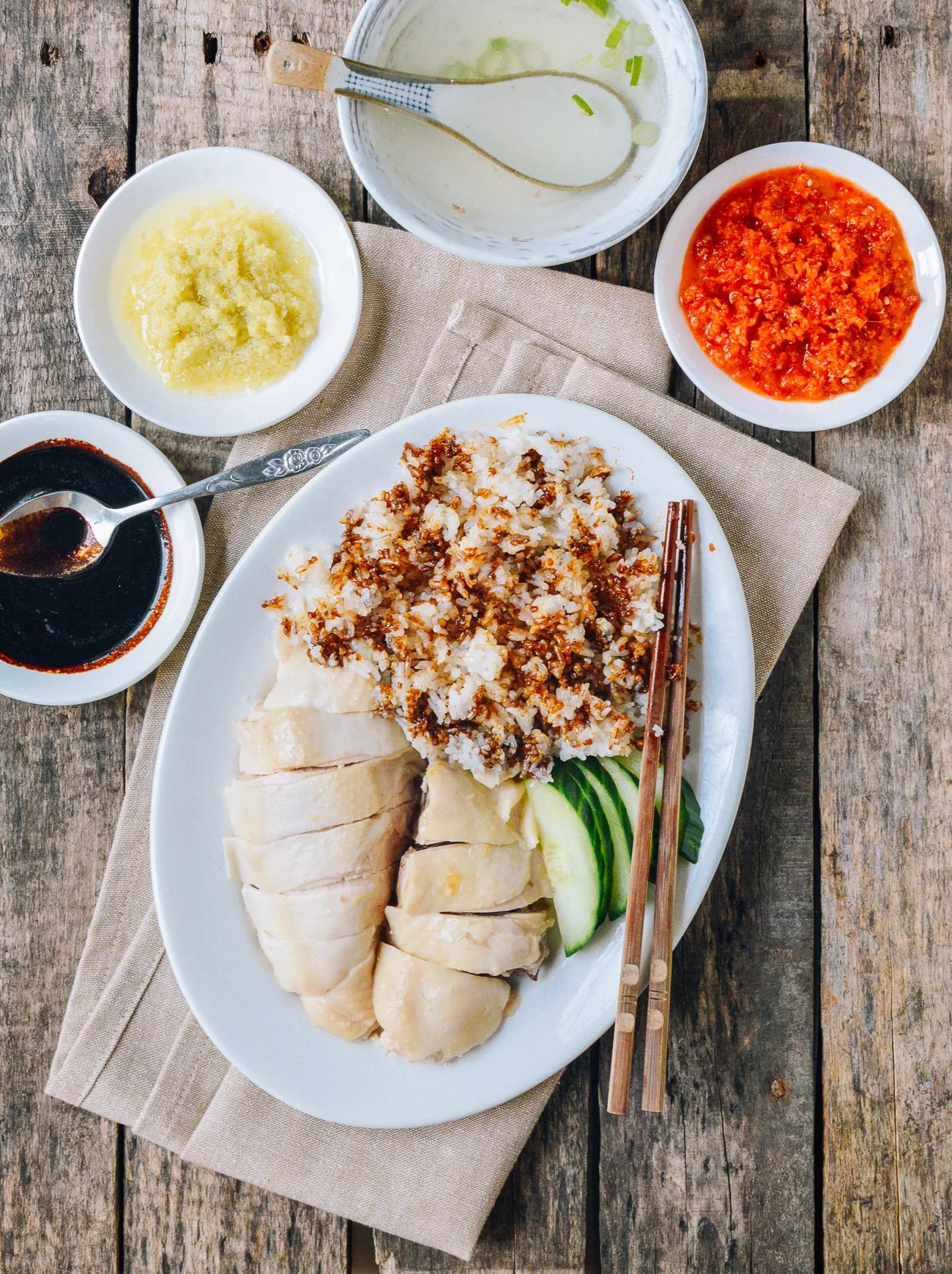
Remove the bones if desired and slice the chicken into neat pieces. Arrange over cucumber slices on a serving platter.
Serve generous spoonfuls of the fragrant rice alongside the chicken. Offer the ginger-scallion sauce, chilli sauce and a drizzle of dark soy sauce on the side.
Finish with fresh coriander if desired. |
|
|
In-depth, well-researched narratives about food. From the evolution of mock meats, to the cuisine of Gondal's royal kitchen, you'll find a food story that keeps you hooked. |
These stories and recipes celebrate a vital part of Indian festivals: food. And our editors will even line up star chefs to share their holiday cooking secrets with you. |
|
|
Food journeys that take a turn for the unexpected. Serendipity guides these down-the-rabbit-hole explorations: who knows, poee might just lead to misal pav. |
In which Nirmalya Dutta and Avinash Mudaliar pick a theme, any theme, and find a way to introduce readers to all the food trivia that might be linked to that idea. |
|
|
|
Hindustan Media Ventures Limited,
Hindustan Times House, 18-20,
Second Floor, Kasturba Gandhi
Marg, New Delhi - 110 001, India |
DOWNLOAD THE SLURRP APP ⬇️ |
|
|
If you need any guidance or support along the way, please send
an email to slurrp@htmedialabs.com. We’re here to help! |
©️2026 Slurrp, HT Media Labs. All rights reserved. |
|
|
|







.png)
.png)
