WC Vibes: Vozinha lives a Cape Verde dream40-year-old Vozinha inspires Cape Verde, Saudi Arabia chase another World Cup breakthrough, Indian-origin stars shine and multicultural identities define 2026.
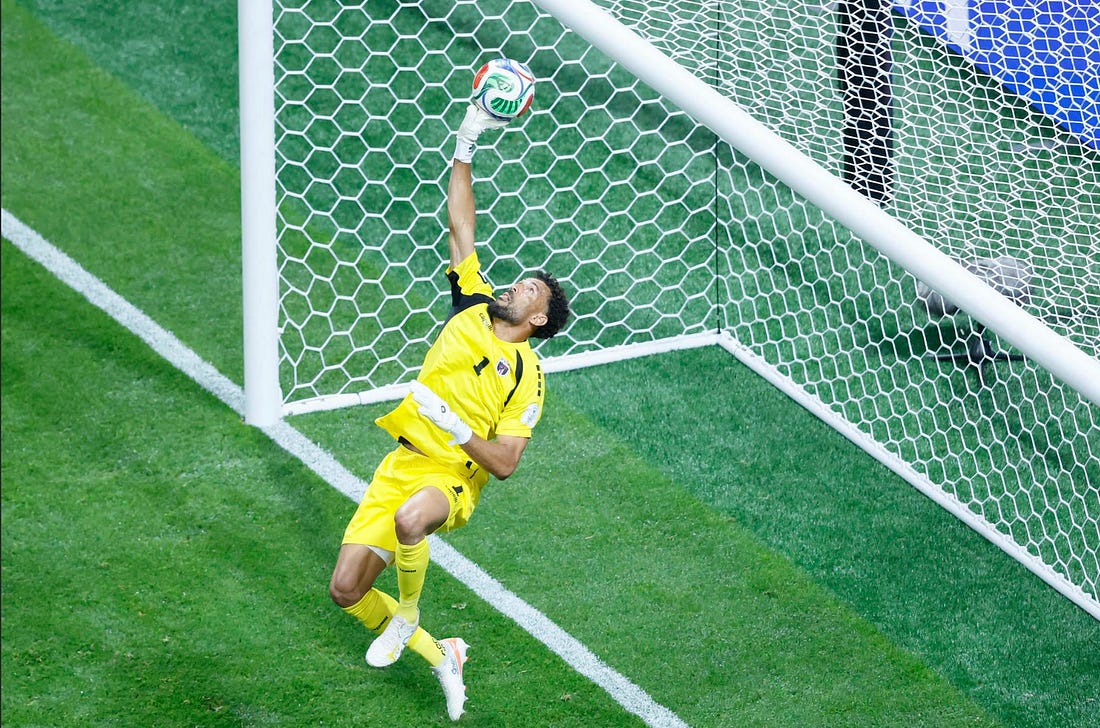
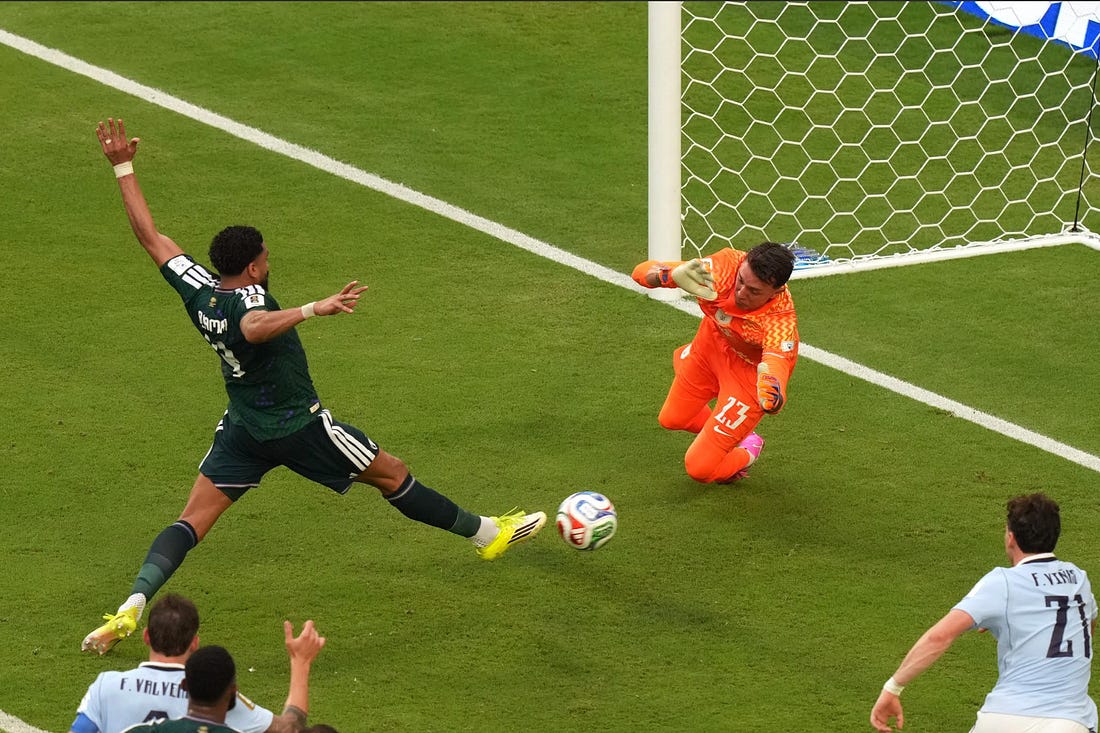
A heated number debate at the World Cup has been about the tournament becoming bloated, expanding from 32 teams to 48 teams. The other number-pointing has only sent the message that nothing is too late if one sets the mind to it. There are eight 40-or-over players at this World Cup, and Cape Verde goalkeeper Vozinha edged to the centre of the latest heartwarming story of the tournament. His lion-hearted performances, pulling off many acrobatic saves to sensationally hold European champions Spain to a goalless draw, belied the fact that he was 40 years and 12 days. It made him the second oldest player to make his World Cup debut. Vozinha the athlete was unmoving in the defensive masterclass by Cape Verde, the smallest nation by area at the World Cup. However, once the Group H game at the Atlanta Stadium ended and the enormity of his performance sank in, the emotion poured out. Mushy? “I cried because I grew up with my grandparents,” he said. “They died a few years before. They were everything for me, everything for my life.” Also Read: World Cup: Japan hold Netherlands in show of fresh resolve A showing that instantly pitch-forked the man plying his trade with Portugal second division Chavez into a global footballer was also missed by his mother, who could not make it because the visa was too expensive and could not be got in time. Vozinha was born Josimar Dias, named after the Brazil defender at the 1986 World Cup. His father wanted to name him Valdano, after Argentina forward Jorge Valdano, but the Cape Verde authorities refused to clear that. While his ‘saves for the ages’ will be highlighted during every World Cup, and will be one of the stories of this World Cup if Cape Verde do the unthinkable by getting out of Group H, he soared on the popularity charts as the game progressed. His followers on Instagram soared from 50,000 to over a “crazy” 2 million plus as the match wore on, thanks to Brazilian fans. “He is quite an experienced player and has struggled throughout all of these years to be here at this world stage. It was also a cry of resilience,” Cape Verde coach, Bubista, said after the game. Can Saudi Arabia recreate 1994 magic? Saudi Arabia have raised hopes once again. Abdulelah Alamri put Saudi Arabia ahead in the 41st minute in their opening group fixture against Uruguay and for the next 39 long minutes the Green Falcons defended their fortress with dogged resilience raising hopes. But they conceded in the 80th minute when Maxi Araujo snapped in a rebound past Mohammed Al Owais. The match ended 1-1 as Al Owais emerged an almost-hero under the Saudi bar with a series of incredible saves.
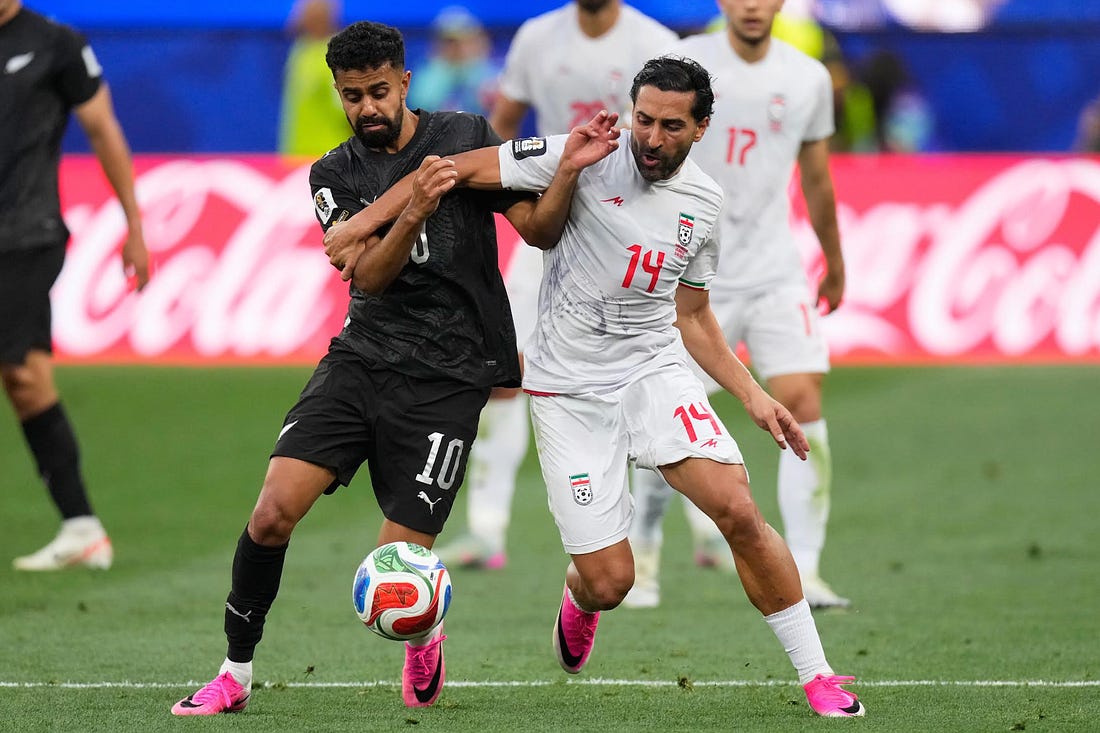
Since the time Saeed Al-Owairan lit up the 1994 World Cup with his 70-yard slaloming run through a host of Belgian players to score the winner and take Saudi Arabia to the Round of 16 on their World Cup debut, the Green Falcons have faced a recurring problem: they have been able to create defining World Cup moments, but the ability to turn those moments into lasting achievements has remained elusive. Also Read: Cape Verde leave Spain red-faced with draw for the ages Saudi Arabia played at the 1998, 2002 and 2006 editions without managing to progress beyond the group stage, before missing out on the 2010 and 2014 editions. They then returned for Russia 2018 with a late victory over Egypt, but it was not enough to help them progress. At Qatar 2022, it seemed as though they were poised to rewrite history. A stunning victory over eventual champions Argentina gave the Saudis a legitimate dream of qualification. But losses against Poland and Mexico brought the team back to square one. This time Saudi have Spain and Cape Verde as their other group-mates. Earlier in the day, the match between the European champions and the tiniest state in the World Cup line-up ended in a goalless draw. That means all teams are now on one point and Saudi Arabia have a scope to restart their journey. The World Cup format does not really reward one surprise victory, it demands sustained performance. For that Saudi Arabia need more than just a resounding surprise. Indian show at this World Cup India may be absent from the World Cup but this edition already has an Indian imprint across several teams. Four players of Indian origin --- New Zealand’s Sarpreet Singh, Qatar’s Tahsin Mohammed Jamshid, DR Congo’s Samuel Moutoussamy and Australia’s Nishan Velupillay --- reflect the diverse journeys of the Indian diaspora across generations and continents. Also Read: Didier Deschamps: Putting method over magic Tuesday was Sarpreet Singh’s turn. Born in Auckland to a Punjabi family from Jalandhar, the attacking midfielder rose through New Zealand’s ranks before earning a high-profile move to Bayern Munich in 2019. Now 27 and playing for Serbian club TSC, Singh was a key figure in the 2-2 draw against Iran on Tuesday.
Australia’s Nishan Velupillay made the first splash on Monday, coming on as a substitute in the 60th minute against Turkey. The Melbourne Victory winger, whose family has Sri Lankan Tamil and Anglo-Indian roots, made his way into the Socceroos squad with a series of important goals during qualification. Qatar winger Tahsin Mohammed Jamshid represents a newer chapter of the diaspora story. Only 19, born to parents from Kerala and developed entirely within Qatar’s football system, he made his senior debut during a World Cup qualifier in 2024. DR Congo midfielder Samuel Moutoussamy’s connection to India stretches back more than a century. Through his father, he traces his roots to the Indo-Guadeloupean Tamil community, descendants of Indian indentured labourers who migrated to the Caribbean in the nineteenth century. Born in France and capped more than 50 times, he is among the team’s most reliable midfielders. Multicultural identities Driven by global migration, multicultural identities and a flexible FIFA eligibility rule change, the battle for dual-nationality talent has transformed the tournament rosters. No longer bound strictly to their place of birth, top players are increasingly making strategic, deeply personal decisions to navigate their family heritage and choose their international allegiances. Also Read: Cape Verde, Knicks and the joy of an underdog song In North America, this talent tug-of-war is vividly apparent. Marcelo Flores, who was born in Canada, raised partly in England, and previously represented Mexico at both youth and senior levels, executed a high-profile one-time switch to represent his birth country, Canada.
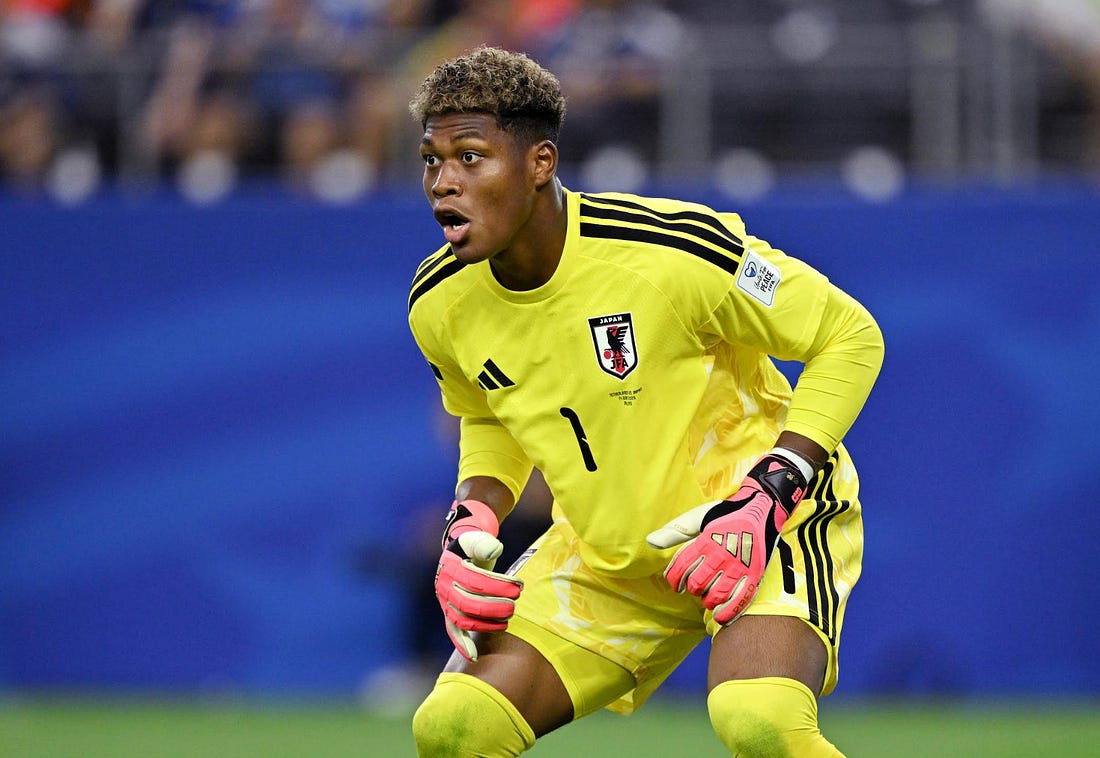
Japan goalkeeper Zion Suzuki perfectly embodies this multi-citizenship narrative within Asian football. Born in Newark, New Jersey, to a Ghanaian father and a Japanese mother, Suzuki was eligible to represent the United States, Ghana and Japan. Though he spent his infancy in the US, he was raised in Saitama and developed entirely through the Japanese academy system. Despite drawing external federation interest due to his athleticism and sharp reflexes, the Parma shot-stopper is anchoring the Samurai Blue. He has firmly committed his career to Japan, fronting a new, multicultural era. Similarly, under manager Javier Aguirre, Mexico actively expanded its scouting net to secure American-born dual citizens with Mexican heritage, successfully integrating young prospects like midfielder Obed Vargas and attacker Brian Gutierrez. The trend extends across the globe. After years of navigating the French youth system, defender Issa Diop capitalised on the relaxed FIFA rules regarding competitive caps to switch his eligibility and anchor the defence for Morocco, following the African nation’s aggressive recruitment of its European diaspora. Conversely, the United States of America benefited from the complex nature of modern eligibility when New York-born, London-raised striker Folarin Balogun permanently pledged his international future to the US over England and Nigeria. Even emerging nations are benefiting from multicultural backgrounds. Tahsin Mohammed Jamshid, born in Doha to Indian immigrants from Kerala, climbed the ranks to represent Qatar. The 2026 World Cup demonstrates that international football is no longer dictated purely by geography, but by the choices of the globalised athlete. Today’s matches Group I France vs Senegal 00:30 (Wednesday), New Jersey Group I Iraq vs Norway 03:30 (Wednesday), Boston Group J Argentina vs Algeria 06:30 (Wednesday), Kansas City Group J Austria vs Jordan 09:30 (Wednesday), San Francisco Results Spain 0 DREW WITH Cape Verde 0 Belgium 1 (Mohamed Hany 66’, OG) DREW WITH Egypt 1 (Emam Ashour 19’) Saudi Arabia 1 (Abdulelah Al Amri 41’) DREW WITH Uruguay 1 (Maxi Araujo 80’) Iran 2 (Ramin Rezaeian 32’, Mohammad Mohebbi 64’) DREW WITH New Zealand 2 (Elijah Just 7’, 54’)
|