Industry Has Always Been About Work |
As it enters its fourth season, the series leaves the trading floor to expose how ambition, insecurity and self-worth shape modern professional life. Peter Watt writes.
|
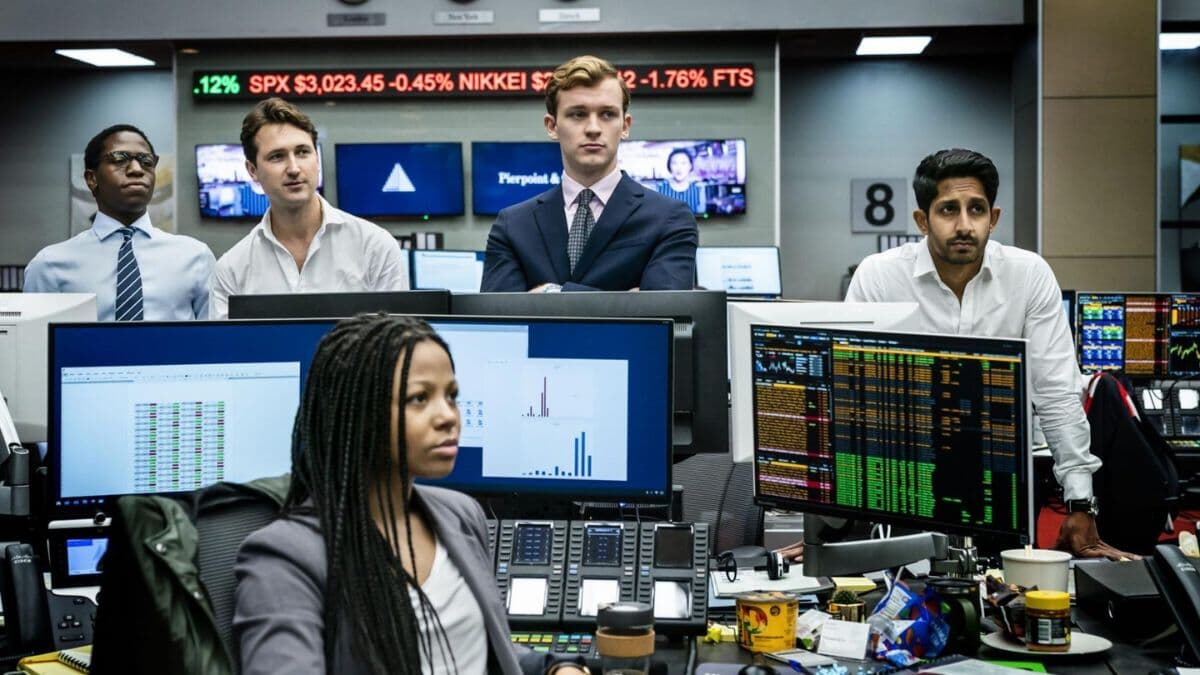
WHEN Industry first aired in 2020, it seemed, ostensibly, to be a drama about a recent cohort of ambitious young graduates entering the cut-throat world of investment banking. But as the opening season unfolded and its central characters were established, it became clear that although the trading floor of the fictional-but-all-so-familiar Pierpoint and Co. was its setting, this was not just a show about finance.
In 2021, I had the opportunity to speak to the show’s co-writers and creators, Mickey Down and Konrad Kay. In this conversation, Down described the show as “a universal take on workplace culture”, which, he explained, was why they gave it such a generic title. Stream the latest films and shows with OTTplay's Power Play monthly pack, for only Rs 149. For the first time, a television drama was treating contemporary corporate cultures and graduate work with an unprecedented seriousness, sensibility and insight. It managed to capture, in heightened form, pressures that are recognisable far beyond the world of the trading floor and the corporate boardroom.
Indeed, Industry is about work, and how central work has come to all facets of our lives. As it heads into its fourth season and beyond the trading floor, the show is set to expose the all-consuming nature of work more than ever before. |
Industry was, and remains, a show about how work has become more than a mere site of economic activity. For some people, work is the main arena in which a person’s self-worth is awarded or withdrawn. In this, ambition is sharpened into pathological obsession, and the employment contract contains a Faustian logic where total submission to work will be answered with “more” – more money, more power, more life.
In its fourth season, Industry continues to capture the tragic underbelly of modern professional life. The tone is set in the opening episode by Harper Stern, the series’s most vivid engine of ruthless ambition. 8 HBO Max originals returning in India in 2026: Matt Smith's House of the Dragon Season 3 to Zendaya's Euphoria Season 3 Early on, she announces: “The story of our lives – giving everything to something that kills you.” If the previous seasons are anything to go by, this line works as a verdict not only on her, but on the entire grammar of contemporary professional life. With Pierpoint collapsing in the finale of season three, the pathology of work that Industry has shed a light on is definitively revealed as a universal issue – the trading floor was simply its first and most visible stage. As the workplace drama grows outward beyond the office, the conditions of competition, appraisal, self-preservation and self-assertion are set to be revealed as something even more totalising. |
In episode one, Harper is introduced on her 30th birthday as heading her own fund. By episode two, she has already alienated her investors. And, by episode three, she is starting again – back alongside her old Pierpoint mentor, Eric Tao, pitching a new venture to investors.
Harper may be an extreme case, but she shows, in concentrated form, what a constantly changing and increasingly insecure job market is: the imperative of perpetual reinvention and self-assertion to gain and maintain employment. These characters and real-world workers do all of this in the pursuit of a future that is always promised and never quite possessed. Indeed, a dark irony and dramatic tension in Industry is that it so often places its characters near power – money, titles, access, invitations – only to show how little control they possess.
For instance, the two remaining characters from the first season have risen in status: Harper begins season four as head of an asset management fund, and Yasmin is now tied to the peerage through her marriage to Sir Reginald Henry Ferrers de Chartley Norton Muck, the failed green-tech prince of season three.
However, they remain perpetually devoured by the same forces that shaped their self-destructive trajectories (and relationship) from the beginning. The difference now is that these forces have extended beyond the office and have spilled over into the intoxicating worlds of politics, start-ups, high-finance, aristocracy and celebrity. |
The spilling over of work culture is most clear in episode two, where Harper attends a birthday party hosted by Yasmin. As ever, the lines between work and play, networking and socialising, intimacy and leverage blur into a heady mix of debauchery, embarrassment and new business opportunities.
Only those who refuse to keep any part of life separate from the job are set to gain: “It starts and ends with work. And being proven fucking right”, Harper tells Eric in episode three.
Season four will likely be bigger and glossier but also the bleakest yet: more wealth, more ambition, more politics, and more reputational warfare. But, more subtly, we can expect Industry to reveal more of what has been its deepest cruelty and deepest truth from the beginning: that for so many, life no longer interrupts work – life is work. Peter Watt is a Lecturer in Organisation, Work and Technology at Lancaster University. This essay originally appeared on The Conversation and has been republished here under the Creative Commons License. Psst...All the seasons of Industry are currently streaming on JioHotstar, now available with your OTTplay Premium subscription. |
| | The Tablet: A Small Film About Large Silences
|
Premiered at BIFFes, The Tablet reveals Aravind Siva as a filmmaker of realism and restraint, where patience allows anxiety, care and hope to surface through everyday life. Aditya Shrikrishna reviews.
|
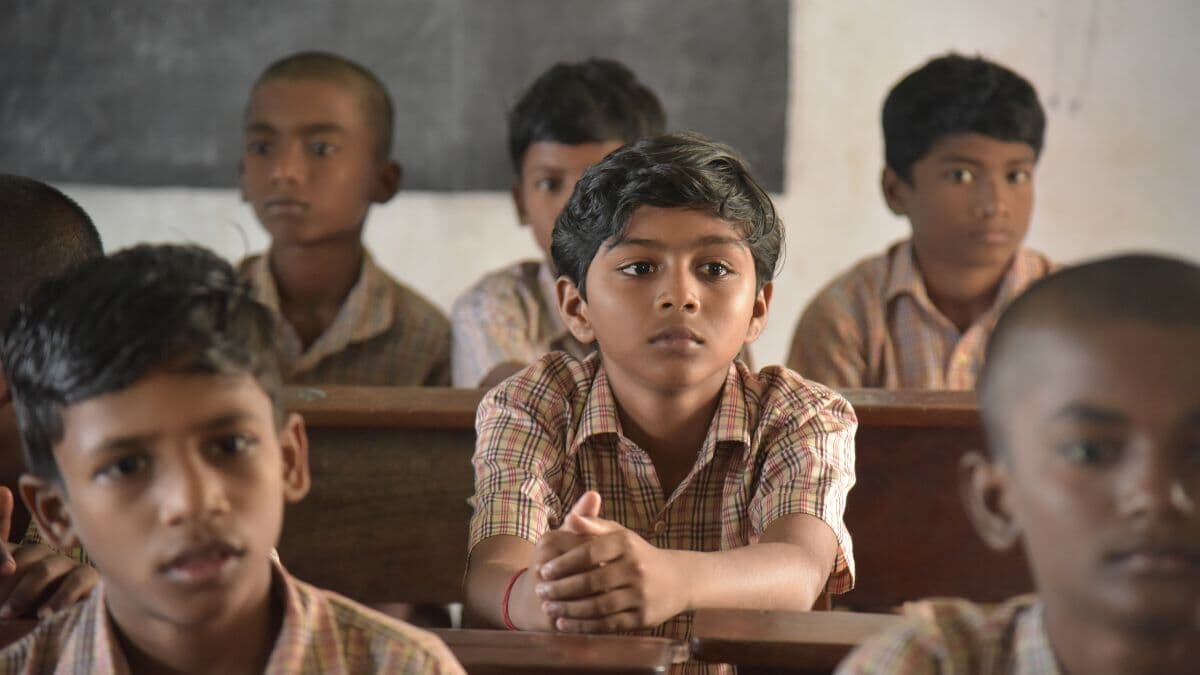
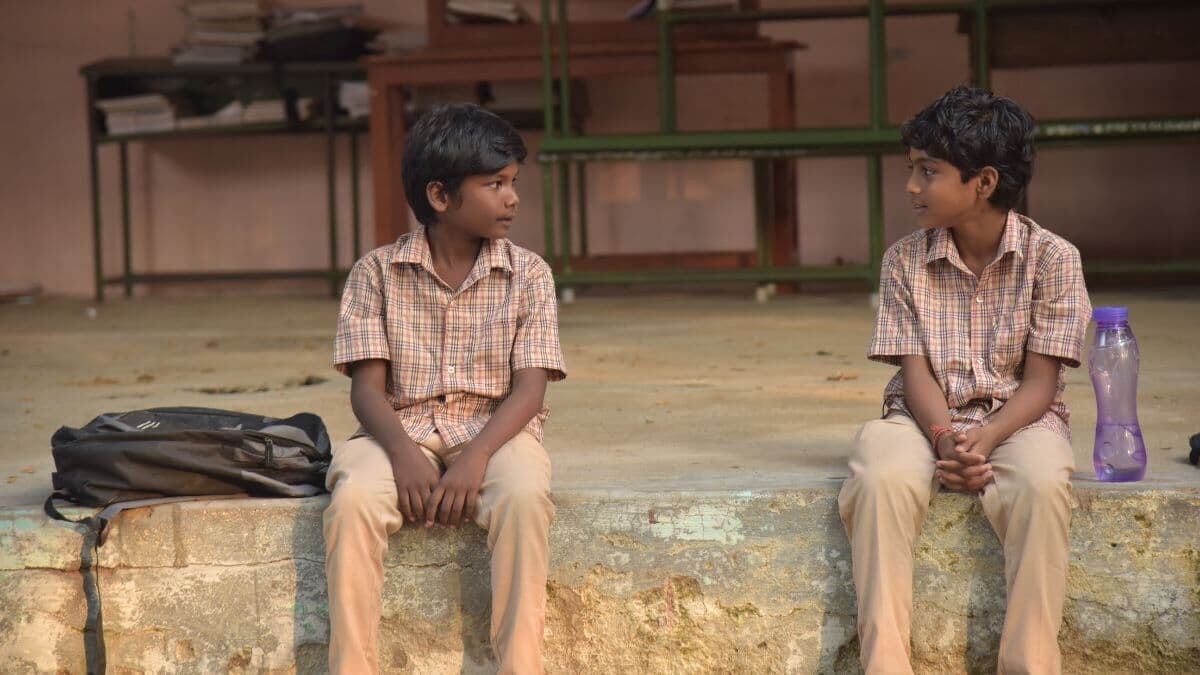
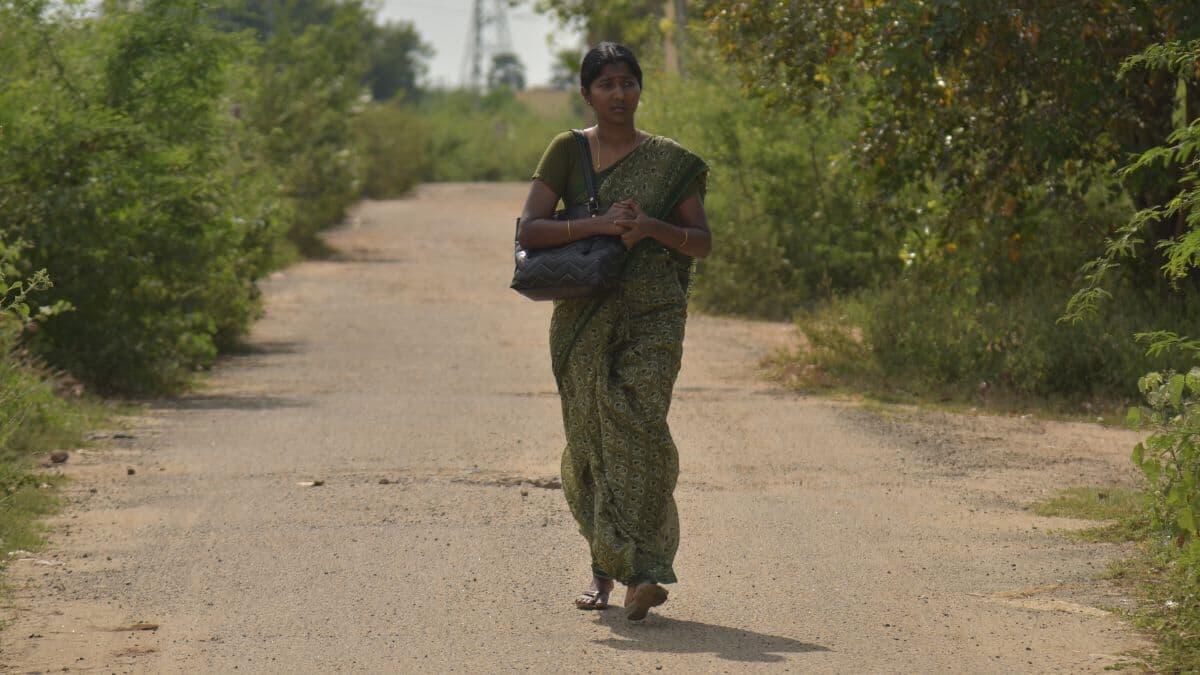
ARAVIND SIVA’s Tamil film The Tablet begins innocently. Prabhu (Hemanathan), ten years old, is getting ready for school, and our point of view is his goody boy face as he shuffles through things in his modest home. He finds what he’s looking for and is eager to get out when his mother insists on combing his hair. He goes to school and calls his friend Ramesh outside. In the few seconds it takes for the friend to answer his call, two smug-looking boys playfully tease him before Ramesh joins, and they run away from the densely concentrated areas of the school. Prabhu gives Ramesh the tablet he’s stolen from home and says it is for immunity and strength, and both can put on some weight and become strong. Ramesh takes it promptly, and during the morning assembly, he faints. |
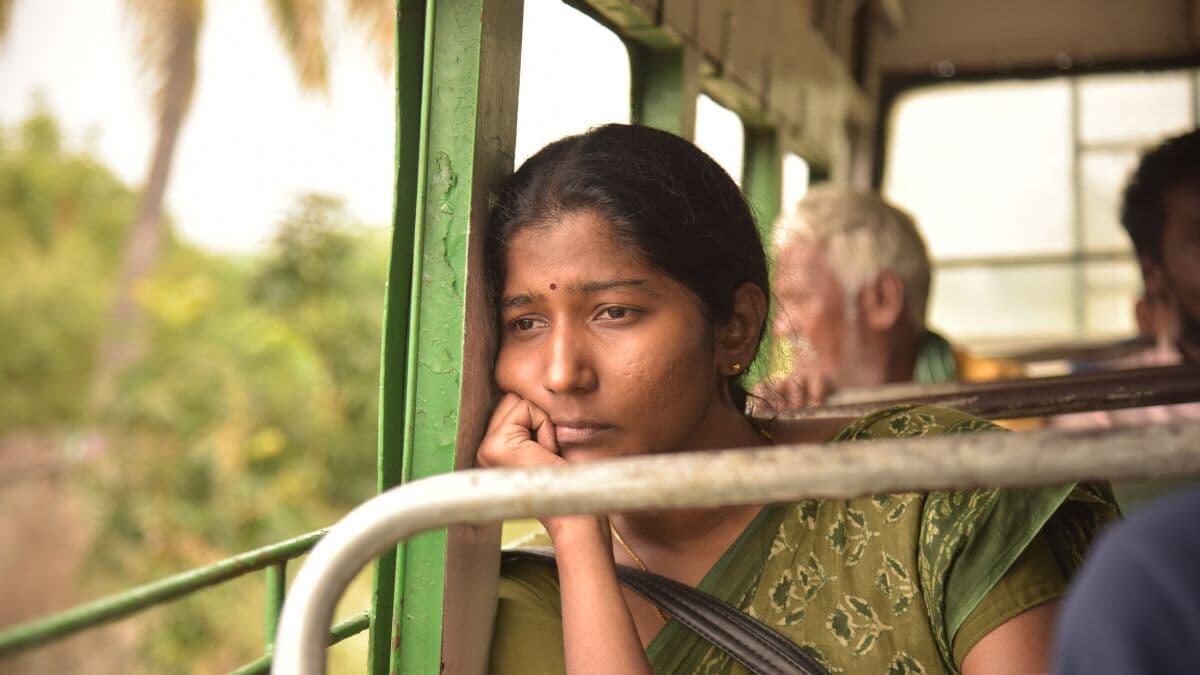
The Tablet premiered this week at the Bengaluru International Film Festival (BIFFes) as part of the Asian Cinema Competition. Written by Siva in his debut directorial, the film maintains the mystery of the tablet well past the halfway point of the film. Kayal (Raichal) is a single mother who works as a grocery store attendant in Sivakasi. Outside of Prabhu, her only family is her brother Guna. Siva lets on that Guna is her only confidante, and they are both planning to go to Chennai at the end of the week. What for? We will learn later. Siva neatly lines up small-town sensibilities of the film, neither villainising nor valorising anything. The grocery store owner makes a comment on employing educated women when Kayal asks for leave. Prabhu’s schoolteacher, Divya, played by Mullaiyarasi, is understanding and even apologetic when she demonstrates mild curiosity about the tablet. ALSO FROM THE AUTHOR | Mayilaa: Semmalar Annam's Debut Feature Intertwines Work, Faith & Fury |
These are the moments where we get nuggets about Kayal’s well-guarded life. We can see that hers is a normal life, the usual struggle in keeping a job, taking care of her only son and making ends meet while also looking after both their health. Siva illustrates this through simple scenes like Kayal thinking twice before giving in to ice cream. She comes up with three different lies to three different people about the trip to Chennai. But something else is out of the ordinary about her that makes her feel regretful and small, embarrassed even. We soon deduce that she and her son are HIV survivors. A tense scene occurs in the government hospital. Kayal visits to get the medicine that is not available in the local pharmacy, and she is made to wait for the doctor. Siva films this from a distance in the hospital corridor, and while the camera doesn’t move, Kayal’s anxiety gradually escalates. She is worried about her ailment becoming public, about being late for work and the availability of the medicine. The nurse whispers a snide comment, and she walks out. Siva demonstrates tremendous control over his shot here. It is only a medium shot, and we cannot even register the contours of Raichal’s — a terrific performer whose best turn came in Good Night (2023) — face, but her mere physicality and fidgety disposition convey the point. |
The film grammar here is unorthodox for the usual mainstream Tamil cinema. It is mostly filmed in static shots with little to no camera movement or score, and hardly makes a big deal about the tablet. It doesn’t even insist that we must know what is ailing Prabhu and his mother. The ambition here is to be as realistic as possible. A male teacher in school nonchalantly beats up his students and orders imposition. The assembly in the government school consists of some marching instructions followed by the most reluctant recitation of a Thirukkural verse before the National Anthem. People speak without dramatics and the tone is observational. The film communicates the mother’s anxiety just by using top-angle shots at her home with the simple sound of a lizard chirping, as she searches for the tablet or packs for the bus to Chennai. It’s not surprising that before this, Aravind Siva assisted PS Vinothraj in his debut film Koozhangal (2021). ALSO READ | Director Vinothraj P S on Koozhangal’s entry to Oscars: ‘Focused on making an honest and simple film’ Shot by Vinoj Kaveri, The Tablet has modest ambitions and hits them all, making for a promising debut from Aravind Siva, a voice to watch out for. The ending is quietly reassuring. Prabhu asks his mother if actors like Sivakarthikeyan live in Chennai. She says yes, but adds that a lot of ordinary people like themselves live in Chennai too. It says something about the kind of stories Siva wants to tell. |
Like what you read? Get more of what you like. Visit the OTTplay website or download the app to stay up-to-date with news, recommendations and special offers on streaming content. Plus: always get the latest reviews. Sign up for our newsletters. Already a subscriber? Forward this email to a friend, or use the share buttons below. |
| | This weekly newsletter compiles a list of the latest (and most important) reviews from OTTplay so you can figure what to watch or ditch over the weekend ahead. |
| Each week, our editors pick one long-form, writerly piece that they think it worthy of your attention, and dice it into easily digestible bits for you to mull over. |
| In which we invite a scholar of cinema, devotee of the moving image, to write a prose poem dedicated to their poison of choice. Expect to spend an
hour on this. |
| | Hindustan Media Ventures Limited,
Hindustan Times House, 18-20,
Second Floor, Kasturba Gandhi
Marg, New Delhi - 110 001, India |
DOWNLOAD THE OTTPLAY APP ▼ |
| | If you need any guidance or support along the way, please send an email to ottplay@htmedialabs.com . We’re here to help! |
©️2025 OTTplay, HT Media Labs. All rights reserved. |
| | |