Identity under scrutinyIn one of the biggest upsets to transgender rights, an amendment makes a fundamental shift in how identity is recognised. Read on…
The backlash was immediate and visceral. Just hours after the amendment to the Transgender Persons (Protection of Rights) Act, 2019, was introduced in Parliament on Friday 13, Anish Gawande of the NCP (Sharadchandra Pawar faction) and the first openly gay spokesperson for any national party, tweeted it was ‘misguided’ for proposing to do away with the “constitutionally protected and judicially upheld principle of the self-determination of gender identity”. Gawande later told me he was speaking both as an individual and for the party. Within days, statements were being issued by the CPI(M) as well as leaders from the Congress, DMK and Trinamool Congress.
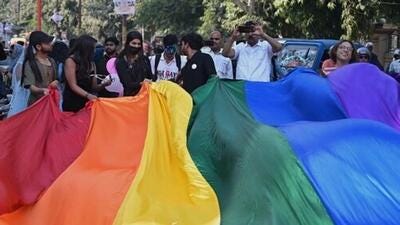
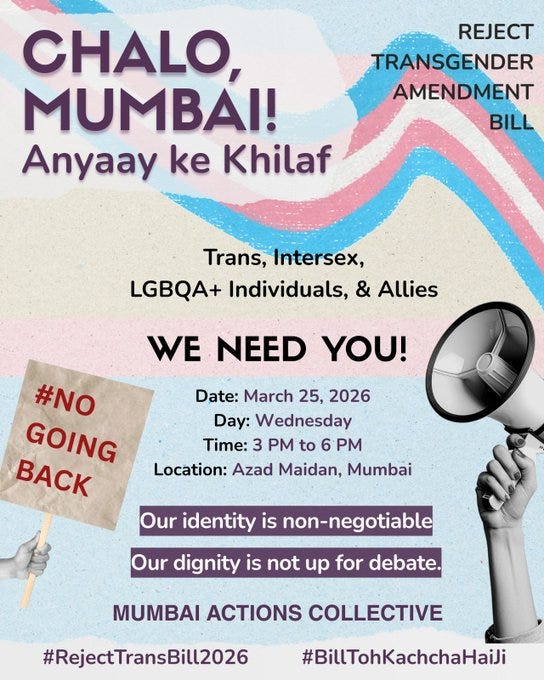
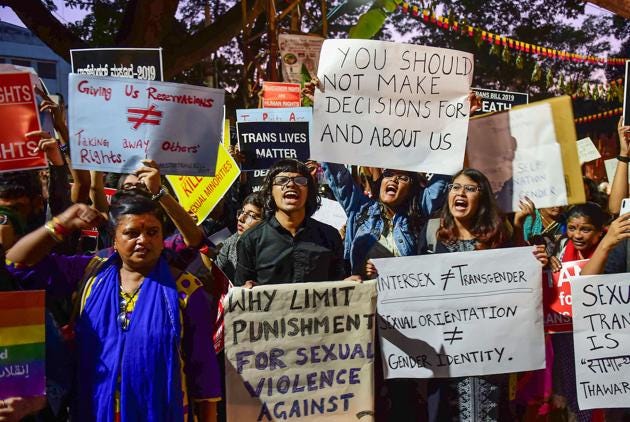
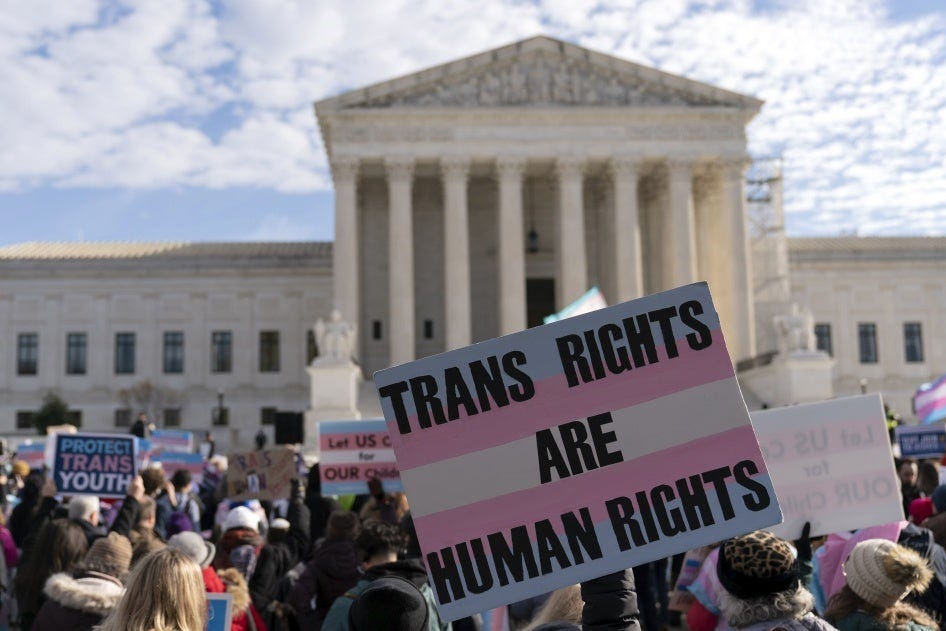
At street protests and public meetings in Bengaluru, Pune, Delhi, Hyderabad, Panjim, Chennai, even Varanasi, No Going Back is the rallying cry. At least two signature campaigns are underway, in addition to one asking for supporters to write to their members of Parliament to scrap the bill. Social media handles have propped up. Lawyers are being consulted on challenging its constitutionality in the courts. This will be a fight. At its heart is a fundamental question of identity. The 2019 law gives transgender people the right to identify as a man, woman or transgender, irrespective of sex assigned at birth, sex reassignment surgery or hormonal therapy. It substantially upholds the Supreme Court’s landmark 2014 National Legal Services Authority (NALSA) judgment. At the time when it was passed it aligned with a growing human rights realisation that gender went beyond binaries of female/male. Beyond anatomy, gender was a social construct distinct from biological status. For sure, the 2019 law had its flaws. Although self-identification was the principle, a transgender person still had to convince a district magistrate in order to get a certificate. What if the DM was unconvinced? What was the recourse? There were other discrepancies. For instance, the maximum penalty for raping a transgender person is only two years. And yet, says Raghavi, a lawyer who identifies as female, the 2019 law, “Gave me the possibility to live with a body and an identity which aligns with how I feel. It helped me deal with my mental health and physical health issues. It made it possible for me to access education and a whole lot of other things, which are now endangered because my identity is being questioned. Who am I is being questioned.” In his last address to the Lok Sabha just before the 2024 general elections, Prime Minister Narendra Modi included the transgender law as one of his government’s many achievements. “The world discusses what India has done for transgenders,” he said. “We have given transgenders an identity.” Now, seven years later, the same government has effected a turnaround. Self-identification is no longer enough. From recognising identity to certifying it, the amendment adds an additional requirement of medical examination by a district-level board. The amendment, says Gawande, “Indicates a kind of bureaucratic hyper-imagination that is obsessed with the idea of regulating access to things like ID cards.” The amendment will continue to recognise those who belong to socio-cultural communities including hijras, aravani, kinnar and jogta. But what happens to transgender men and women outside these identities? What happens to those who were recognised by the government since 2019? Must they relinquish their certification along with their identities? A deeper erosion
There are other problems with the amendment. The first is the removal of the right to self-identify that amounts to an erasure of identity. It robs individuals of dignity, privacy and autonomy. It places power on such a fundamental question of individual identity into the hands of government and institutions. A medical board must now make recommendations to a DM who then decides whether or not to issue a certificate of identity. But if gender is not the same as biological sex, how will this work? A medical board can only look at physical anatomy. The amendment also requires doctors and hospitals to report gender-affirming surgeries to the DM, in violation of established patient-doctor confidentiality ethics. It includes punishments ostensibly to protect the transgender community but which effectively criminalise support through vague terms like alluring and undue influence, says Raghavi. “For a lot of people it is going to be very difficult to access healthcare, financial resources and even get support within their community because everyone is scared,” she says. The bill claims a need to protect the “genuine oppressed” and prevent misuse of the benefits of a transgender certificate. The claim is astonishing in its hubris. In seven years, 32,509 ID cards, according to the national portal for transgender persons, have been issued —roughly 4,600 a year—so hardly evidence of widespread misuse. Moreover, what exactly are these benefits? The ministry of social justice and empowerment’s own schemes listed on the national portal can be described as modest at best: Sensitisation and welfare schemes, the constitution of a welfare board, and the creation of trans-safe toilets. There are supposed to be shelter homes for those in need, and upskilling through the Skill India mission. And there are proposed reservations in educational institutions that have not been as yet implemented. “The problem with all these measures is they are half-hearted and under-funded,” says Gawande.
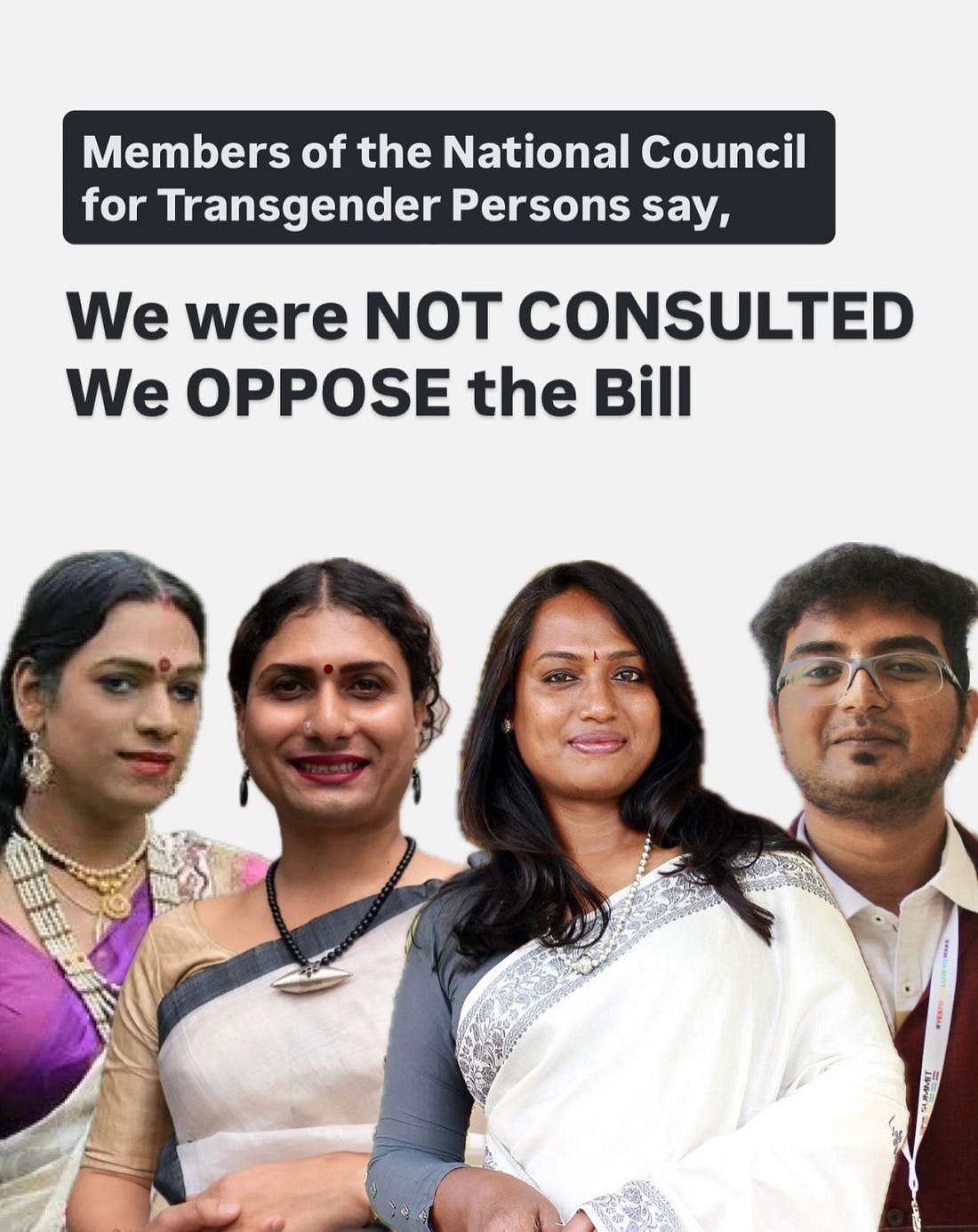
How did the amendment come about? Who was consulted? Kalki Subramaniam, the southern representation of the National Council of Trans Persons, wrote to minister Virendra Kumar, minister for social justice and empowerment that she was not informed or consulted. “This exclusion undermines the very purpose of the Council, which is to ensure that the voices of the community are represented in policymaking,” she wrote. If the amendment is passed, she added, she will resign from the Council. Narrowing view
The bill comes at a time when transgender rights globally are under threat. US President Donald Trump’s government now recognises only two genders, male and female. Transwomen athletes cannot participate in women’s sport. And gender-affirming medical care for minors is under challenge UK’s Supreme Court has ruled there are only two genders for the purposes of the Equality Act. Hungary has banned the Pride Parade. Russia has banned legal gender change. And, in February this year, Argentinian president Javier Milei barred access to legal gender recognition for minors. India’s 2019 law was, despite its shortcomings, progressive in affirming transgender rights. If Nalsa was our moral touchstone, we also had a slew of affirmative judgments from various high courts. From Kerala, the right to be known as parents rather than father and mother on a child’s birth certificate. From Andhra Pradesh, the right of a transgender woman to file a complaint of cruelty against her husband and in-laws. And from Madras, the right to form a chosen family. As far back as 2008, the Tamil Nadu government had set up a transgender welfare board. In Rajasthan, government schools were directed to admit transgender children. Now, suddenly, with no public debate or consultation, this. The transgender amendment bill is not an isolated piece of attempted legislation, but part of a pattern where we can see the state’s intrusion into citizens’ most intimate concerns. In 14 states, there are laws that require an individual seeking to convert to another religion to seek permission from a government official. Uttarakhand, the first state in independent India to adopt a uniform civil code, requires couples who live together without marriage to register with the government. Gujarat this week also approved of a uniform civil code with the same requirement. Citizenship and the right to vote are also under scrutiny, all in the name of preventing misuse. There is a clear pattern here. The question is no longer who you believe you are. It is how the state is willing to define you. In other stories
Striking down a bizarre rule that denied maternity leave to women who adopted children older than three months, the Supreme Court has ruled that a woman who is adopting a child is entitled to 12 weeks of maternity leave regardless of that child’s age. The two-judge bench of justices JB Pardiwala and R Mahadevan said the three-month age limit created an artificial distinction. Women adopting older children were “similarly situated” in terms of their roles. In the same judgment, the court also urged the government to recognise paternity leave since “parenthood is not a solitary function performed by one parent but rather a shared responsibility.”
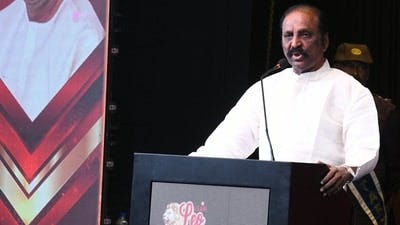
How does a man accused of sexual assault win the prestigious Jnanpith award? At least 17 women have made very serious allegations against Tamil writer R. Vairamuthu. Does this “demonstrate again that the social and political elite of this country do not care about gender justice?” asks Swarna Rajagopalan in this sharp piece for Mint. “The Indian public has not been consistent in seeking accountability for sexual and gender-based violence, not even voting out governments that have let offenders off lightly. The Congress government in Karnataka has tabled a much-needed Freedom of Choice and Prevention and Prohibition of Honour and Tradition Bill in the assembly. The bill seeks to curb ‘honour’ killings and caste-based violence linked to inter-caste and interfaith marriages. The Karnataka bill not only gives consenting adults the right to marry a person of their choice but also sets out minimum five-year jail terms for offences committed in the name of honour.
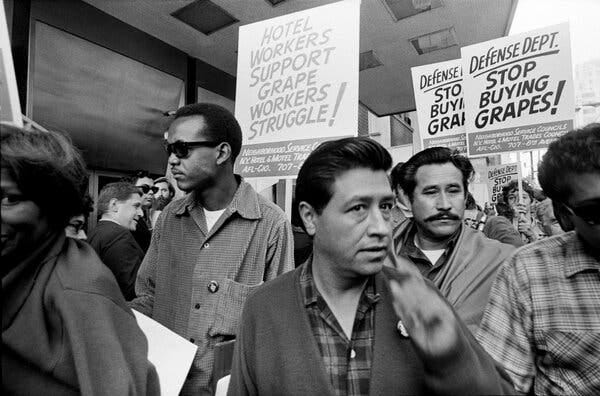
What a fall for civil rights icon Cesar Chavez. A New York Times investigation has unearthed serial sexual abuse of minor girls by the labour rights leader with testimony from several women who say he raped and sexually assaulted them when he was in his 40s and they were children. One of them, Ana Murguia, now 66, says he regularly raped her in his California office starting when she was 13 and he was 45. At the age of 15, she contemplated ending her life. Dolores Huerta, now 95, was a co-founder of the United Farm Workers with Chavez in 1966, said he “manipulated and pressured” her into sex on one occasion and on another, raped her. Both these assaults led to pregnancies and she arranged for other families to raise the two children. That’s it for now. I welcome feedback at namita.bhandare@gmail.com. See you again next week. Produced by Shad Hasnain.
|