Rakkasapuradhol Puts The Spotlight Back On Old-Fashioned Investigation |
Rava Saranga’s taut whodunnit follows a troubled cop guided by instinct and evidence, elevated by sharp writing and standout performances from Raj Shetty and Anirudh Bhat. Subha J Rao writes.
|
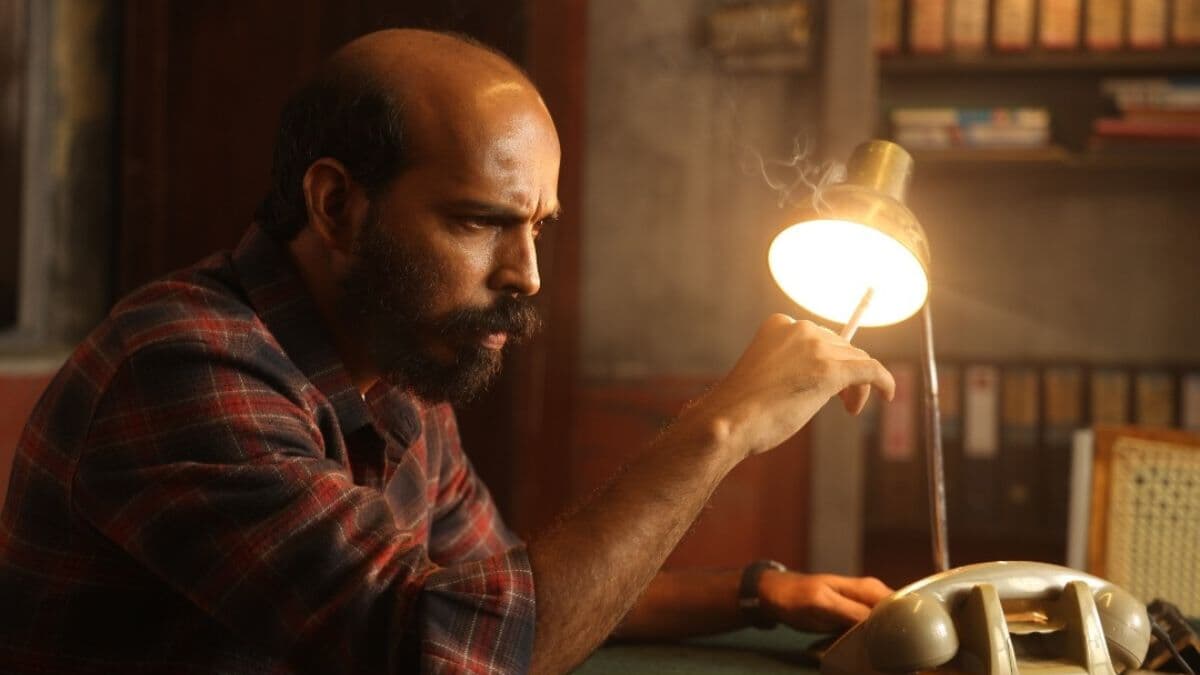
THE BEST THING about Rakkasapuradhol is that writer-director Ravi Saranga has his eye on the end target, and does not deviate much from the core plot. Every side story, barring one, leads up to the big reveal or serves that thread. And that is why when the movie ends, the appreciation is mostly stunned silence, not rapturous claps. Because you know you’ve been taken for a ride of the director’s choosing, and it takes time to get off the high of the sumptuously shot climax. Starring Raj Shetty, Archana Kottige, Gopalkrishna Deshpande, Swathista Krishnan, child actor Nisha and Anirudh Bhat, all of whom are in fine form, the film hits the sweet spot because the story lands well, and you feel the fear and nervousness. The technical crew — cinematographer William David, editor Majunath Ganesh, art director Mohan B Kere and composer Arjun Janya contribute to this. If this had been another time, I’d have probably loved a less-loud BGM, but this one seems to work with the masses, and in the state Kannada cinema is in now, getting the audience back to the theatre takes precedence over certain artistic preferences. Stream the latest Kannada, Tamil, Malayalam and Telugu releases, with OTTplay Premium's Power Play monthly pack, for only Rs 149. |
What I loved most about Ravi’s writing (co-writer: Kranthi Kuma) is the empathy and curiosity with which he approaches the subject — 90 marks, especially, for not belittling mental illness and for reiterating the importance of medicine. Some minor characters do refer to the word ‘mental’ but are shut down soon enough. The 10 marks that got taken away are for the colour shaming of the cop, the snide remarks, the initial scenes in the police station that needed less flab, the mental health angle of another character, and the unfinished tale of the person handling the graves. Most-awaited Kannada theatrical releases of February 2026: JC The University, Rakkasapuradhol and more Raj Shetty plays Shiva, a troubled cop with schizophrenia who is back after a hiatus. He loves his alcohol, and his seniors give him a low-crime station so that a good officer like him bounces back fast. He arrives in the village of Rakkasapura, steeped in superstition and the lore of the Kolli Devva, and equal adoration for a local swamiji who presides over a temple dedicated to Shiva. There are very few cases, because the Swamiji takes care of most issues, and for the rest, there are coconuts wrapped in red cloth, and brooms placed in front of houses. The police station is there, in name. The cops don’t know how to write a report, and call for an ambulance or the forensics team, because, so far, there has been no need to. |
| | With Love Can't Quite Balance The Rom & The Com
|
Madhan's debut is an earnest, adult take on arranged-marriage romance, undone by frenetic editing, an incessant score, and a screenplay that treats love like set-piece action. Aditya Shrikrishna reviews.
|
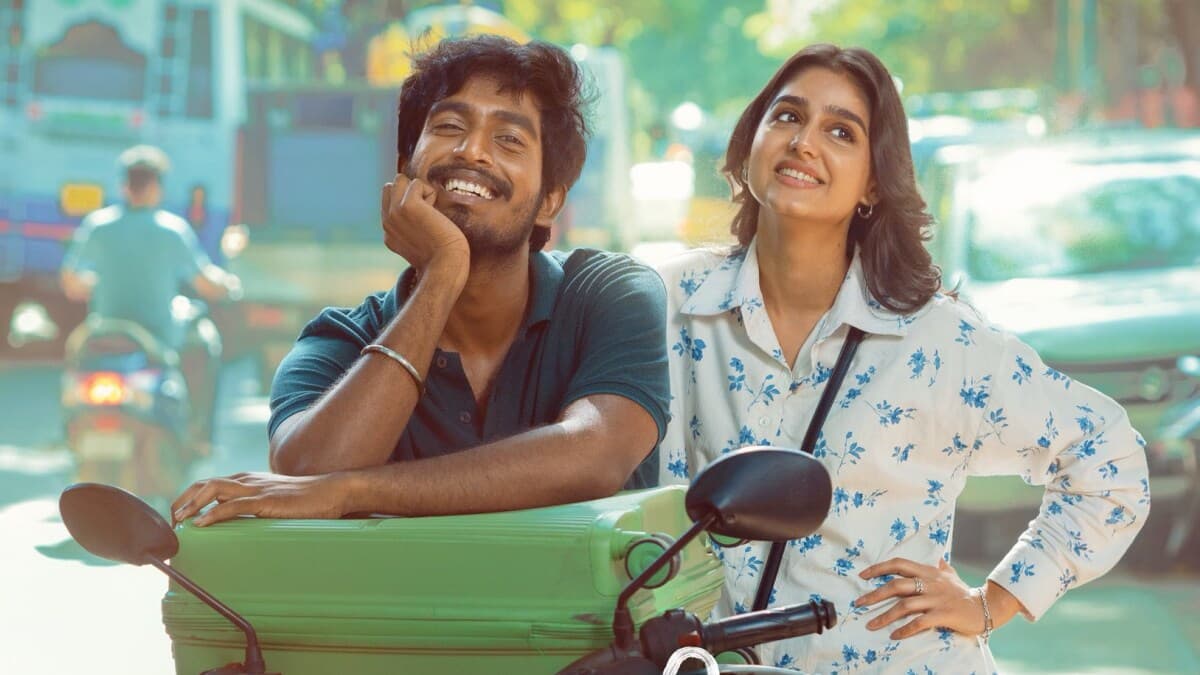
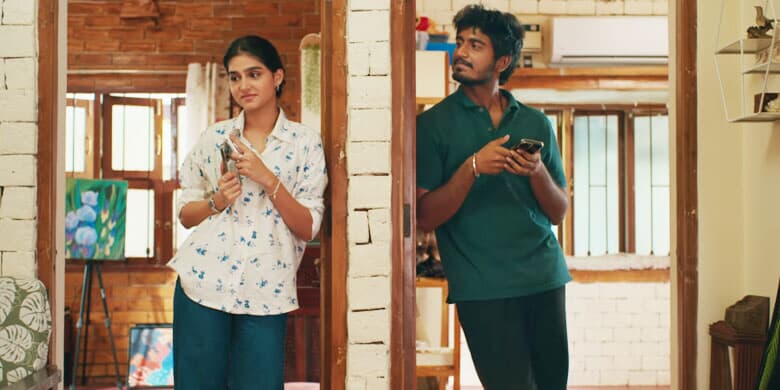
IN Madhan's directorial debut, With Love, Monisha (Anaswara Rajan ) and Sathya (Abishan Jeevinth ) meet on the arranged marriage circuit. Sathya is a designer, and Monisha is an influencer with over a million Instagram followers. If there is anything particularly modern about this film, it is that Monisha asks about his “boring” design job. While her job is indeed one with the times — monetising social media — design apparently is already boring. It is a harmless word, but, wonder what choicest descriptors she would have used for the more common arranged marriage qualifications in the Tamil family circuit: engineering. Not pretty, one imagines. Having said that, we don’t get films that skirt the arranged marriage route often in Tamil cinema, at least in recent times. While the practice would have been a more common fixture on screen four decades ago or so (think 1986’s Mouna Ragam), the more famous contemporary (using the word loosely) examples include Dum Dum Dum (2001), Parthiban Kanavu (2003) and a few more. All those films begin with conflict, either the couple actively hating each other or the idea itself abhorrent to one of them (usually the hero, the man). ALSO READ | Abishan Jeevinth: 'Never being shy in front of the camera is the greatest lesson I have learnt as an artiste' |
In With Love, things are more amicable. Sathya’s elder sister arranges this meeting with Monisha, and although he is first stumped by the number of tables in the restaurant holding exactly such meetings, Monisha eventually finds him. With Love is also a multipronged love story. Monisha and Sathya aren’t the only couple in love. As they recount their past connection (they went to the same school, he was in twelfth when she was in tenth) in Trichy, we learn about their very different school crushes and romantic non-escapades. They are non-escapades because both fail spectacularly in their endeavours. Madhan’s screenplay gives Sathya’s story first: his crush on Muslim classmate Anisha, his untiring shyness and almost a stubborn will for inaction. Madhan daydreams and loses Anisha to a friend, and Monisha’s incessant search for trouble and drama pulls her away from Balaji. The film plays these two love stories back-to-back as their adult versions recall the stories through rose-tinted glasses. What makes this routine storytelling interesting is how their paths cross as we visit traces of Sathya’s love failure in Monisha’s. They, inadvertently and almost reluctantly, played a part in each other’s fruitless exercises. We see Sathya waiting impatiently for Anisha in the background as Monisha describes her first walk home with Balaji. A main character becomes a background artist who, unbeknownst to himself or herself, becomes a main character again in someone else’s story. While the romantic events — meet cute, songs, comedy — are only functional, the design keeps things going. The film cuts between blushing looks and stinging wisecracks relentlessly, sacrificing its rhythm in the process. Sean Roldan’s incessant background score doesn’t help; it plays on like this is a modern mass masala film (a problem there too). Madhan doesn’t seem to regard silence or yearning or even longing, ingredients for felt romance. He treats love like set-piece action. Psst...Did you know Abishan Jeevinth is the director of last year’s blockbuster film Tourist Family? It's currently streaming on JioHotstar. Watch the film here with your OTTplay Premium subscription. |
Like what you read? Get more of what you like. Visit the OTTplay website or download the app to stay up-to-date with news, recommendations and special offers on streaming content. Plus: always get the latest reviews. Sign up for our newsletters. Already a subscriber? Forward this email to a friend, or use the share buttons below. |
| | This weekly newsletter compiles a list of the latest (and most important) reviews from OTTplay so you can figure what to watch or ditch over the weekend ahead. |
| Each week, our editors pick one long-form, writerly piece that they think it worthy of your attention, and dice it into easily digestible bits for you to mull over. |
| In which we invite a scholar of cinema, devotee of the moving image, to write a prose poem dedicated to their poison of choice. Expect to spend an
hour on this. |
| | Hindustan Media Ventures Limited,
Hindustan Times House, 18-20,
Second Floor, Kasturba Gandhi
Marg, New Delhi - 110 001, India |
DOWNLOAD THE OTTPLAY APP ▼ |
| | If you need any guidance or support along the way, please send an email to ottplay@htmedialabs.com . We’re here to help! |
©️2025 OTTplay, HT Media Labs. All rights reserved. |
| | |